Suggested frequency is a movement break every 30–60 minutes of work. A typical 8-hour day might include 8–10 short breaks plus a longer midday break. Adjust based on your comfort, work demands, and energy levels.
Daily Work Structures
Building Healthy Workspace Habits
Sustainable workspace comfort comes from structured habits: regular movement breaks, postural awareness checks, and intentional work intervals. This guide explores evidence-informed approaches to workspace routines and habit formation.
The Work Interval Approach
Structured work intervals with movement breaks support both comfort and productivity throughout your working day.
25–30 min
Focused Work Block
A concentrated work session with minimal interruptions. This aligns with research on sustained attention and task engagement.
5–10 min
Movement Break
Step away from your desk. Walk, stretch, change positions, or perform light movements to refresh circulation and reset posture.
60–90 min
Extended Session
Larger work block combining 2–3 focused intervals with regular breaks, typically ending with a more substantial break (15–20 minutes).
4–5 cycles
Morning/Afternoon
A half-day rhythm of work cycles and breaks, with a meal break or longer pause at midday to reset.
Sample Daily Structure
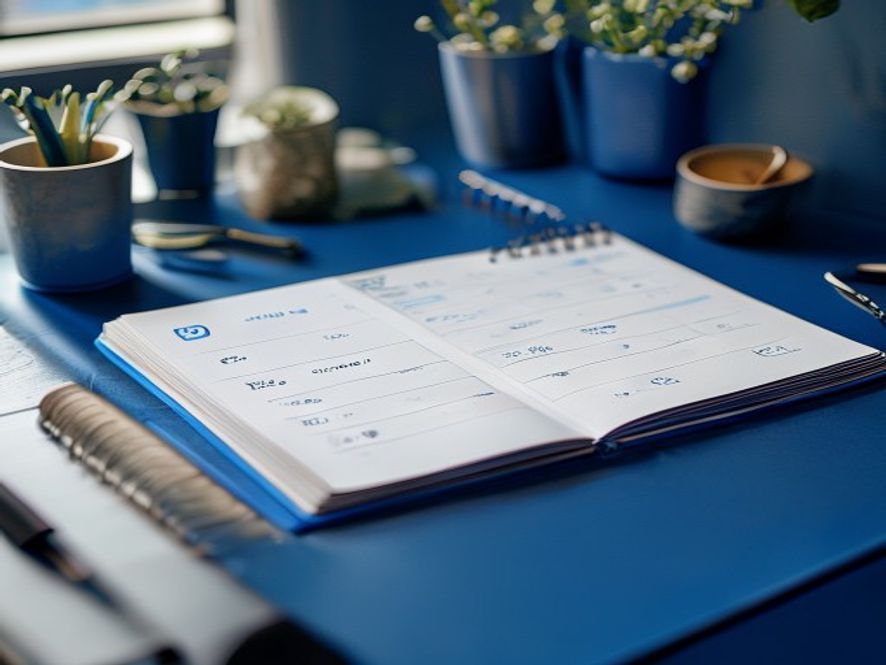
Here's an illustrative example of a structured day. Adapt these times to your schedule, energy patterns, and work requirements.
- 09:00–09:15 Workspace setup and postural check
- 09:15–10:00 Focused work block 1
- 10:00–10:10 Movement break
- 10:10–10:55 Focused work block 2
- 10:55–11:10 Extended break, walk, hydration
- 11:10–12:00 Focused work block 3
- 12:00–13:00 Lunch break, stepping outside if possible
- 13:00–13:45 Focused work block 4 (post-lunch focus may vary)
- 13:45–14:00 Movement and postural reset
- 14:00–15:00 Afternoon work cycles with 10-minute breaks
- 15:00–16:00 Final work session with regular breaks
- 16:00–end Wind-down, workspace reset
Effective Movement Breaks
Movement breaks are most effective when they're intentional and varied. Here are evidence-informed approaches.
Walking
The simplest movement break. Walk around your office, down a hallway, or outside if weather permits. Walking improves circulation and provides a mental refresh.
Duration: 5–10 minutes
Stretching
Gentle stretches targeting areas most affected by desk work: neck, shoulders, wrists, hip flexors, and hamstrings. No intense holds needed—gentle, gradual range.
Duration: 3–5 minutes
Postural Reset
Perform corrective movements: shoulder rolls, gentle neck rotations, pelvic tilts, or standing back extension. These counteract common desk postures.
Duration: 2–3 minutes
Hydration & Environment
Step away to drink water, use facilities, or simply change your visual environment. Environmental change provides mental recovery beyond physical movement.
Duration: 5 minutes
Building Habit Structures
Establishing new habits requires structure, consistency, and environmental support. Here are practical strategies.
1
Environmental Design
Set up reminders—calendar notifications, physical timers, or app alerts—to prompt movement breaks at consistent intervals. External cues support habit formation.
2
Anchor to Existing Routines
Link new habits to established routines. For example, take a movement break after finishing a particular task or after each meeting. This creates automatic triggers.
3
Social Accountability
Share your workspace goals with colleagues. Group movement breaks or accountability partners increase consistency and make habits more sustainable.
4
Tracking and Reflection
Simple tracking (checklist or app) builds awareness and maintains motivation. Weekly reflection on what worked helps refine your approach over time.
5
Flexibility and Adjustment
Habits work best when they're adaptable to your schedule. Build flexibility into your intervals rather than rigid rules, making them sustainable long-term.
Workspace Ergonomics for Consistency
Sustainable habits require that your workspace supports them.
Chair Quality
An adjustable, supportive chair with lumbar support enables you to maintain neutral posture during work intervals, reducing fatigue.
Desk Height
Proper desk height allows neutral keyboard and mouse positioning. Incorrect height creates strain that movements breaks alone cannot address.
Monitor Position
Monitor at arm's length and eye-level reduces neck strain. This supports postural awareness habits and makes movement breaks more effective.
Lighting
Adequate, non-glare lighting reduces eye strain and supports energy throughout the day, making habits easier to maintain.
Frequently Asked Questions
Regular breaks actually improve productivity and sustained focus. Even 2–3 minute movement breaks maintain work quality and prevent fatigue-related errors. Consider breaks an investment in your work performance, not lost time.
Research suggests 4–8 weeks for a new behaviour to feel automatic, depending on the person and the specific habit. Consistency and environmental support accelerate this process.
Movement breaks and postural variation are widely recognised as supporting workspace comfort and circulation. This is educational information; individual experiences vary, and professional advice should be sought for specific concerns.
Get Support for Your Workspace Journey
Establishing new habits is easier with personalised guidance and workspace assessment.
Our consultations help you design a workspace structure tailored to your specific work environment and habits.
Schedule Consultation